
24K, 22K, 18K, and 14K Gold Explained: Purity, Durability, and Real Resale Value
A thorough comparison of how every major gold karat performs across scratch resistance, stone security, skin sensitivity, color richness, and cash resale value.
Why jewelers alloy pure gold in the first place
Pure 24-karat elemental gold is one of the softest structural metals on earth — scoring just 2.5 on the Mohs hardness scale (barely harder than a human fingernail). Drop a heavy 24K sovereign coin onto tile and the rim dents immediately; wear a slender 24K ring while carrying groceries and it will warp into an oval within days.
To build jewelry that survives decades of knocks, clasps, and gemstone tension, goldsmiths melt pure gold with carefully calculated shares of copper, silver, zinc, or palladium. The karat scale simply counts parts of pure gold out of 24. Dropping two karats trims pure gold content by 8.33% while raising mechanical hardness dramatically.
24K & 22K: wealth preservation and heirloom traditions
24K (fineness 999 or 999.9) belongs primarily in investment bullion bars, minted sovereign coins (Canadian Maple Leafs, UK Britannias, American Buffaloes), and traditional Chinese 'Chuk Kam' ceremonial wedding jewelry kept mostly in safes.
22K (fineness 916, or 91.67% pure gold) is the backbone of Indian, Bangladeshi, Pakistani, Malaysian, and Gulf jewelry culture. Blending 8.33% copper and silver gives bangles, thick chains, and traditional necklaces enough rigidity for festive and everyday wear while retaining over nine-tenths pure gold value — ensuring brisk, transparent per-gram trade-in liquidity.
| Karat (Stamp) | Pure Gold % | Durability | Color Tone | Ideal Use Case |
|---|---|---|---|---|
| 24K (999) | 99.9% | Soft (Bends easily) | Deep saturated yellow | Bullion bars, sovereign coins |
| 22K (916) | 91.67% | Moderate | Rich warm honey yellow | Bridal bangles, plain chains, heirlooms |
| 21K (875) | 87.5% | Moderate+ | Bright warm yellow | Middle Eastern filigree & heavy cuffs |
| 18K (750) | 75.0% | Balanced & Strong | Refined champagne gold | Diamond rings, luxury watches, daily wear |
| 14K (585) | 58.33% | Very Durable | Soft muted yellow | Active everyday rings & wedding bands |
| 10K / 9K (417/375) | 41.7% / 37.5% | Hardest Solid Gold | Pale satin yellow | Budget-friendly durable everyday jewelry |
18K vs. 14K: fine diamond jewelry vs. active everyday wear
Whenever a jeweler sets valuable diamonds, emeralds, or sapphires under delicate four-prong claws, 22K metal is usually too pliable to hold stones safely for decades. That engineering reality explains why Italian, French, and Swiss luxury houses standardize almost universally on 18K (750) gold: 75% pure gold keeps the metal visibly rich and hypoallergenic, while 25% alloy delivers springy prong strength.
In the United States and Canada, 14K (585 — 58.33% pure gold) leads the market for everyday wedding bands and chains because its higher alloy content resists micro-scratches from gym bars, door handles, and keyboards while keeping retail prices ~22% lower than equivalent 18K pieces.
Skin allergies and color differences across karats
Pure gold itself is biologically inert and virtually never triggers skin reactions. When someone experiences itching or faint dark smudges beneath a lower-karat ring (9K, 10K, or 14K), the culprit is almost always nickel (in older white gold) or copper reacting with acidic sweat, lotions, or swimming-pool chlorine. Stepping up to 18K or 22K eliminates skin irritation for nearly all wearers.
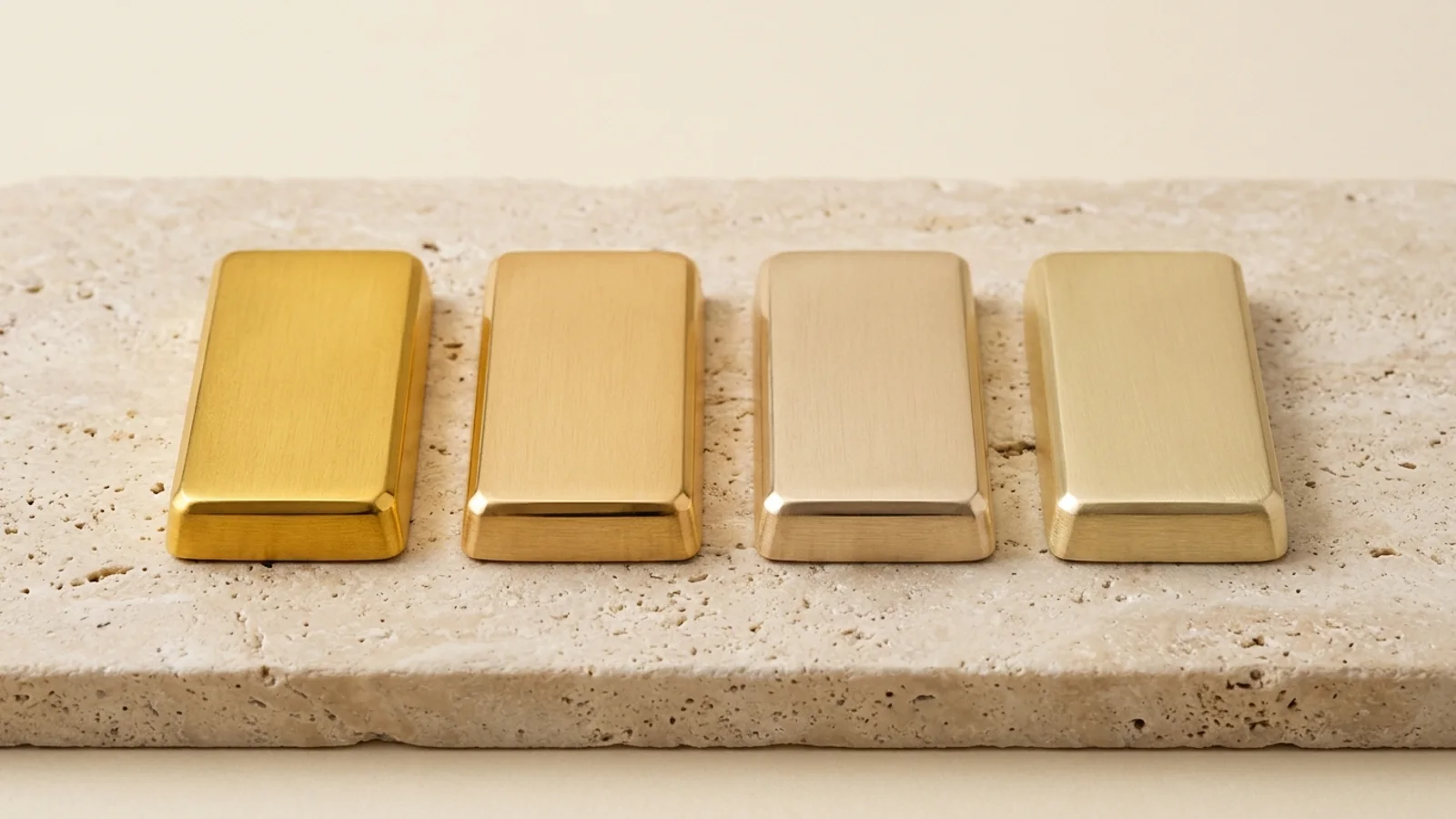
Visually, higher karat means deeper warm saturation: 24K glows deep butter-yellow, 22K radiates warm honey yellow, 18K displays refined champagne yellow, and 14K appears noticeably lighter and cooler.
What actually matters when you resell later
At scrap or exchange counters, refiners pay strictly for pure fine gold mass. A 15-gram 22K chain contains 13.75 grams of pure gold, whereas a 15-gram 14K chain contains only 8.75 grams — meaning the 22K piece fetches 57% more pure melt value gram for gram. Choose 14K or 18K for rugged daily jewelry and diamond settings; choose 22K plain pieces or 24K bars whenever long-term financial value comes first.
Worked Real-World Math
Pure Gold Content Inside Three 12-Gram Chains (22K vs. 18K vs. 14K)
You compare three identical-looking 12-gram yellow gold chains when 24K spot gold sits at $113.80 per gram.
- 1.12g of 22K (916): 12 × 0.9167 = 11.00g pure gold → Melt value = $1,251.80.
- 2.12g of 18K (750): 12 × 0.7500 = 9.00g pure gold → Melt value = $1,024.20.
- 3.12g of 14K (585): 12 × 0.5833 = 7.00g pure gold → Melt value = $796.60.
Bottom line: Even though all three chains weigh 12 grams on the scale, the 22K chain holds $455 more underlying pure gold than the 14K chain.
Before You Act
Choosing the Right Karat Before Shopping
- Pick 24K (999) strictly for coins and bars — avoid 24K for rings or clasps worn daily.
- Pick 22K (916) or 21K (875) for plain gold jewelry where resale value and traditional luster matter most.
- Pick 18K (750) for diamond solitaires, gemstone settings, and sensitive skin.
- Pick 14K (585) or 9K (375) if you work with your hands and prioritize dent/scratch resistance.
Put This Into Practice
Compare exact gold grams with our Karat Purity Converter
Quick Answers
Frequently Asked Questions
Does 14K gold tarnish or turn skin green?
Genuine solid 14K gold does not rust or peel, though trace copper in the 41.7% alloy can occasionally oxidize against acidic skin, sunscreen, or pool chlorine. Cleaning periodically or wearing 18K+ prevents smudging.
Is 18K gold worth the higher price over 14K?
18K holds 28.6% more pure gold than 14K, exhibits a noticeably warmer tone, and is gentler on sensitive skin — making it well worth the upgrade for engagement rings and heirloom pieces.
Why don't luxury jewelers set big diamonds in 22K gold?
Because 22K is relatively malleable, slender 22K prongs can gradually bend open if snagged on clothing, risking a lost stone. Jewelers therefore use firmer 18K gold or platinum for diamond heads.
Can 22K gold be repaired or resized easily?
Yes — experienced goldsmiths resize and solder 22K jewelry routinely, though you should always ask for matching 22K solder rather than lower-karat solder that leaves faint purity dips during later XRF testing.
About the Author
Daniel Hargrave — Senior Precious Metals Analyst & Managing Editor
Twelve years covering physical bullion markets, retail jewelry hallmarking standards, and retail spread analysis across London, Dubai, Mumbai, and New York.
Read our editorial & fact-checking standards →